
Jaw-Friendly BDSM Gags for Comfortable Control
For users with sensitive jaw joints or jaw strain, bit gag and tongue control gag offer control and comfort without forcing the mouth open.
They’re designed to hold the mouth in a more natural position, so the jaw does less sustained work.
Who This Page Is For
- Players with jaw sensitivity or TMJ discomfort
- Users who experience fatigue with wide mouth opening
- Those looking for jaw-friendly gags for extended play
- Not suitable for large ball gags or gags that require the mouth to be held open widely
Why Jaw-Friendly Gags Are Better for Sensitive Jaws
Your jaw works like a hinge. Larger ball gags can require the mouth to stay widely open, placing more strain on the jaw over time. Bit gags and tongue control gags take a different approach, reducing the need for prolonged wide jaw opening while maintaining effective control and restraint.
- Less jaw strain — reduces the need for prolonged wide mouth opening.
- More comfortable — may help reduce fatigue or discomfort for users sensitive to jaw strain.
- Effective restraint — provides control without relying on a large mouthpiece.
This is a design explanation, not a medical claim. If you have a jaw condition, consult a healthcare professional before use.
Jaw-Friendly Gag Types
| Feature | Ball Gag | Bit Gag | Tongue Control Gag |
|---|---|---|---|
| Mouth Opening | Larger | Lower | Lower |
| Jaw Movement | More Restricted | More Natural | More Relaxed |
| Jaw Fatigue | Can Be Higher | Often Lower | Often Lower |
| Tongue Control | Low–Moderate | Low | High |
| Beginner Friendly | Depends On Size | Often Easier | Depends On Design |
| Long-Duration Comfort | Highly Individual | Often Preferred | Highly Individual |
Bit Gags for Jaw-Friendly Comfort
A bit-style mouthpiece sits between the teeth rather than using a large ball to
hold the mouth open. This reduces the need for wide jaw opening and can be a
more comfortable alternative for users who find larger mouthpieces tiring.
Choose a bit gag if:
• Your jaw gets tired or sore with a large ball gag
• You prefer a simple mouthpiece held between the teeth
• You want a traditional restraint feel without a bulky ball
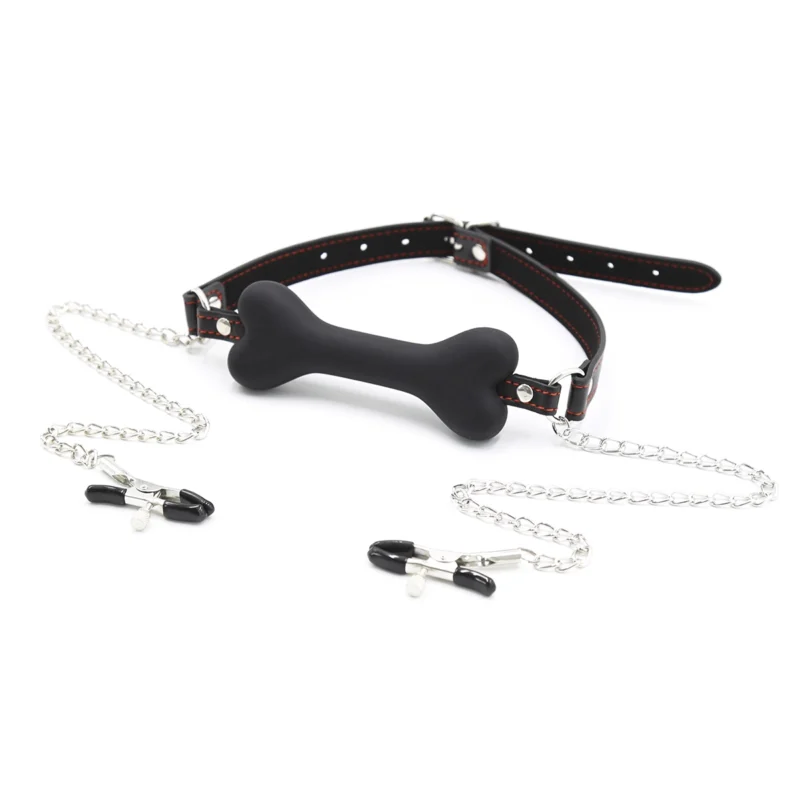
Bone Gag With Nipple Clamps
$32.90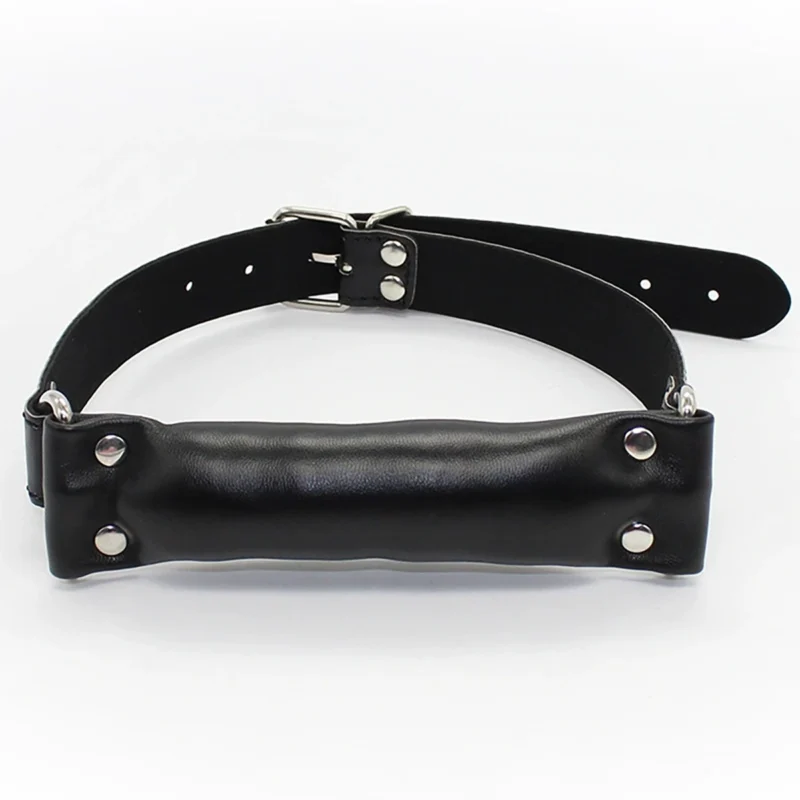
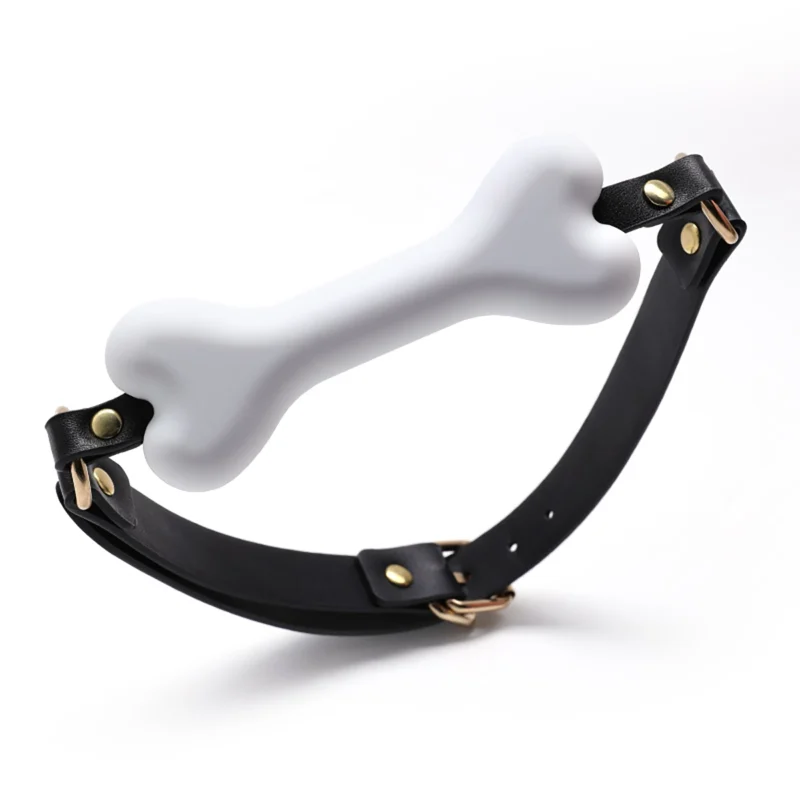
Bone Shaped Mouth Gag
$45.90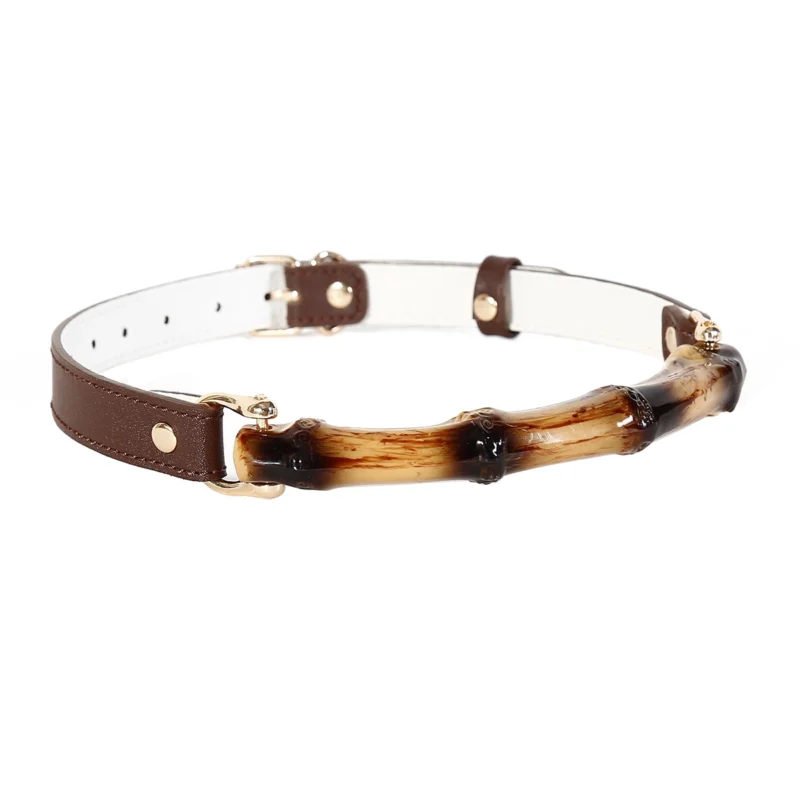
Bamboo Bondage Mouth Gag
$26.95
Tongue Control Gags for Minimal Jaw Strain
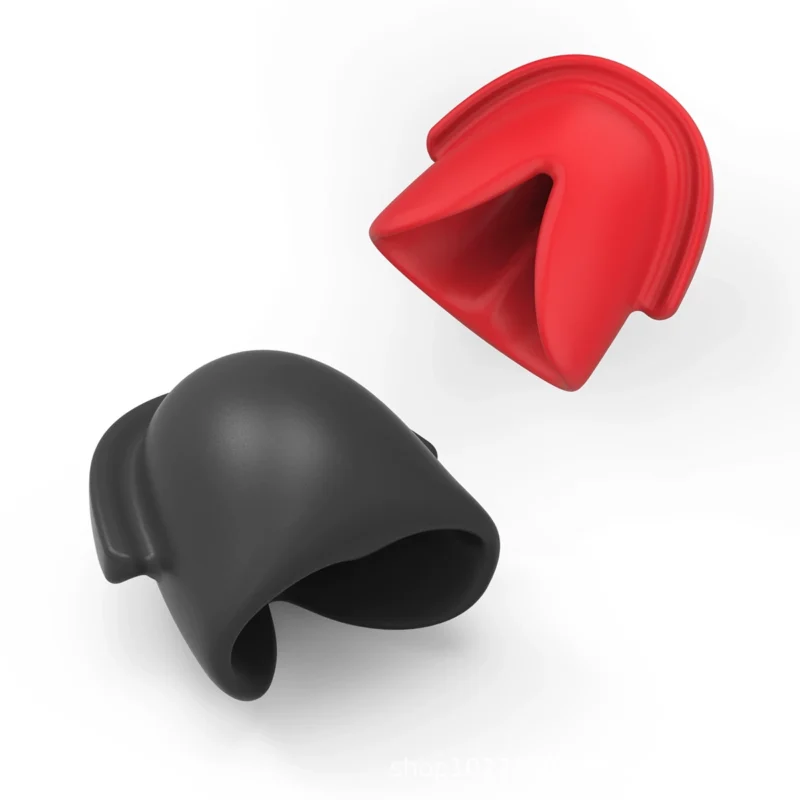
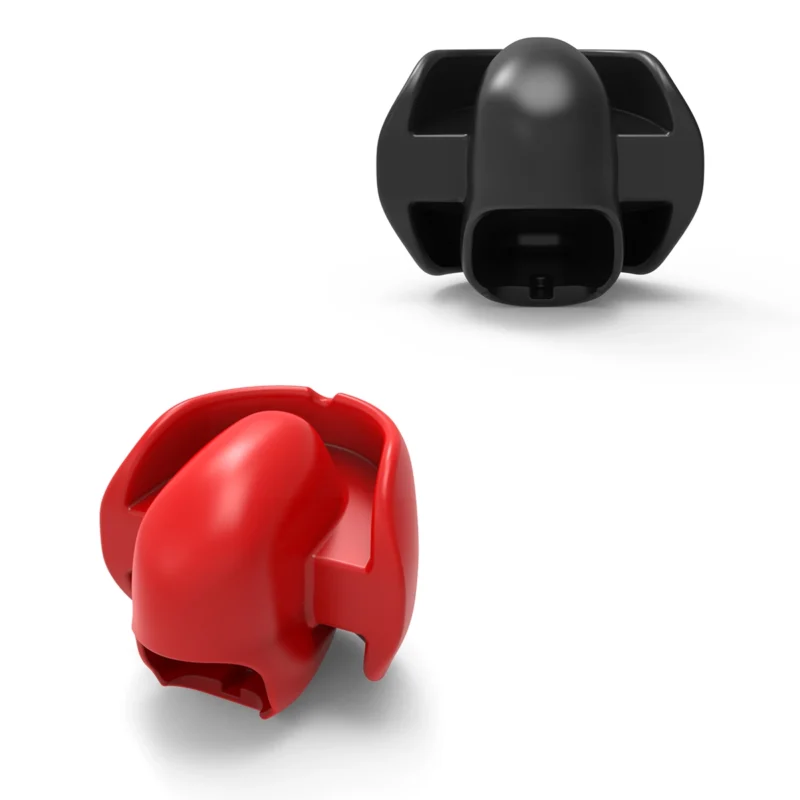
Control the tongue and restrict speech without requiring prolonged wide jaw
opening. By relying less on a large mouthpiece and more on tongue control,
these gags provide effective restraint while reducing the need to keep the
jaw widely open.
Choose a tongue control gag if:
• You can’t open your mouth wide for long periods
• You want the main sensation to come from tongue restriction
• You want the jaw to stay relaxed once the gag is fitted
Usage Guidance
A jaw-friendly design can reduce the need for wide jaw opening, but comfort still depends on fit and individual tolerance.
Keep these basic points in mind:
- Start with a short session and see how the gag feels before extending wear time.
- Choose a mouthpiece that does not force your jaw wider than is comfortable.
- Avoid overtightening the strap. It should hold the gag securely without unnecessary pressure.
- Pay attention to jaw tension, tooth pressure, and discomfort around the corners of the mouth.
- Remove the gag if pain or significant discomfort develops rather than trying to push through it.
- If you have a diagnosed jaw condition or persistent jaw pain, seek professional guidance before using a gag.
Jaw-friendly is a design consideration, not a medical claim. A gag that feels comfortable for one person may not be comfortable for another.
What If You Have TMJ Problems
Jaw-friendly design does not mean risk-free use. If you have an existing jaw disorder, significant pain, limited jaw movement, recent dental treatment, or unexplained jaw symptoms, a gag may not be appropriate for you — speak with a qualified healthcare professional before use.
Stop and remove the gag if you experience:
- Sharp or worsening pain
- Numbness
- Difficulty breathing
- Difficulty removing the gag
- Persistent jaw discomfort after use
FAQ
If you have a diagnosed TMJ disorder or ongoing jaw pain, consider speaking with a healthcare professional before using a gag. Gags can place additional demands on the jaw, especially when they require prolonged or wide mouth opening. If you do use one, choose a design that minimizes the need for wide jaw opening and stop if you experience pain or increasing discomfort.
Bit gags rest between the teeth rather than forcing the mouth open.
Compared to traditional gags, they can help reduce jaw strain for many jaw-sensitive users,especially when softer designs are chosen.
Look for a design that does not rely on prolonged wide jaw opening. Bit gags sit between the teeth, while tongue control gags focus more on tongue movement and speech restriction. The right choice depends on your mouth size, fit, comfort, and individual jaw mobility. There is no single gag design or size that is suitable for everyone.
A small opening is usually needed while placing the gag.
Once secured, the jaw can remain more relaxed while the tongue is controlled,providing effective restraint without prolonged wide mouth opening.
Compared to larger ball or rigid gags, bit gags and tongue control gags are often preferred for longer scenes because they place less stress on the jaw,though comfort depends on personal fit and tolerance.
Start with shorter sessions and avoid gags that require wide mouth opening.
Listen to your body, communicate with your partner,and remove the gag if you notice jaw tension or discomfort.