
A sensory deprivation hood is a head covering designed to reduce one or more senses — most commonly sight, and sometimes hearing. Designs range from face-covering masks to full-head hoods, and many include a gag or mouthpiece built in, which is how they overlap with mouth-gag gear. Depending on the design, a hood can reduce visual input, muffle sound, or limit both, shifting more attention toward touch and other remaining cues. Before you try one, two things matter most: keeping breathing easy and having a clear way to signal “stop” when you cannot see or easily speak.
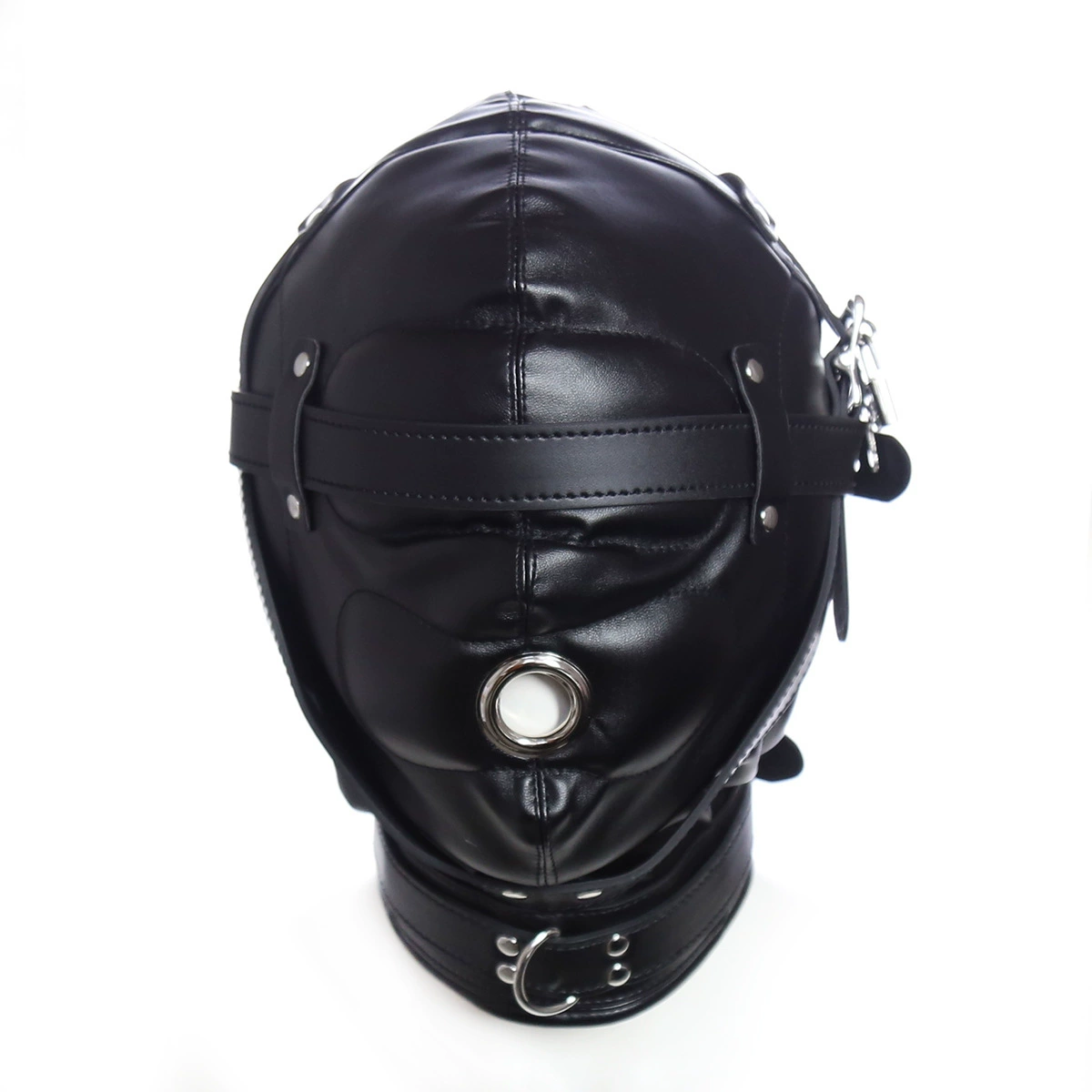
What a Sensory Deprivation Hood Is
Unlike a blindfold, which only covers the eyes, a hood wraps more of the head. A mask covers just the face; a full hood encloses the head and neck. Openings for the eyes, nose, and mouth may or may not be present — which changes how much sight, hearing, and speech are limited.
That overlap with gags matters: a hood with a built-in gag limits speech on top of limiting sight. It is a different experience from wearing a gag alone, because you lose more than one sense at once.
Different Levels of Coverage
Not every hood is the same. The level of coverage changes what you give up, so it helps to know the range before choosing:
| Design | What it limits |
|---|---|
| Open-face hood | Mostly visual input |
| Eye-covered hood | Sight |
| Ear-covered hood | Sight and/or hearing |
| Full hood with a gag | Sight, hearing, and clear speech |
If you are not sure how much you want to give up, start with a design that leaves more senses available and work up, rather than starting with a fully enclosed hood.
How a Hood Changes the Scene
With sight reduced and hearing partly muffled, the experience can feel slower and more focused. You may notice touch, sound, and temperature more because there are fewer visual cues. This is the appeal for a lot of people — fewer distractions, more focus on what is happening right now.
It also changes how you communicate. If you cannot see a partner and cannot speak clearly, a hand signal that works for a blindfold may not work under a hood. You need a signal the other person can feel or hear, not just see. We cover the options in our guide on non-verbal safewords — a tap, a held object, or a squeeze that works even when both of you are covered.
For some people, reduced sensory input can feel grounding; for others it can feel disorienting. If covering your face or having limited sight is something you already find intense, start slow. Our guide on gag panic walks through the mental side if the feeling ever turns overwhelming.
Fit, Sizing, and Openings
Hoods are less one-size-fits-all than gags. Check where the eye, nose, and mouth openings sit, and whether the hood is padded or lined. A hood should sit securely without pressing on the eyes, putting uncomfortable pressure on the face, or interfering with normal jaw movement. If the eye holes are misaligned or the nose opening is too small, it will be uncomfortable within minutes.
Do not choose a hood by head circumference alone. Check where the openings sit and the internal dimensions if the manufacturer provides them, since a hood that fits around the head can still put the eye holes in the wrong place.
Breathing is the first fit check. You should be able to breathe easily and continuously through the nose, and any nose or mouth opening should remain unobstructed. If a hood makes breathing feel tight, it does not fit you — do not push through it. This is the same rule of thumb we explain for gags with and without breathing holes.
Breathing and Signals Come First
A hood limits sight and, often, hearing — which means the two usual ways people check in on a gagged partner (looking and talking) are reduced. Before a hood goes on, agree on a non-verbal stop signal that does not depend on sight or speech, and practice it once while uncovered.
Keep early sessions short, and leave the hood’s lacing or closure something that can be loosened quickly. If breathing is not easy, or if the feeling tips from intense into distressing, the hood comes off — no negotiation, no “just a little longer.”
Material Matters
Hoods are often sold as “leather,” but that word is worth checking. Genuine leather is animal hide; PU leather is polyurethane over a fabric base. They can look similar in photos, so check the product specifications rather than relying on appearance or price. If the listing does not say which it is, it is worth asking.
What touches your face matters most for comfort and cleaning. A padded or lined interior may feel more comfortable against the skin, but it also needs more care to keep clean. The outside material you choose is about look and durability; the inside is about comfort and hygiene.
Hygiene and Personal-Use Notes
A hood touches the face, mouth, and sometimes sweat — treat it as personal gear. Clean the inside after use, let it dry fully before storing, and do not share a hood unless you are confident in your cleaning method. The same personal-use thinking applies to any gag built into it.
Frequently Asked Questions
What is a sensory deprivation hood?
It is a head covering that reduces one or more senses, most commonly sight and sometimes hearing, and it sometimes has a gag or mouthpiece built in. Depending on the design, it can reduce visual input, muffle sound, or limit both.
Can you breathe in a sensory deprivation hood?
Breathing should remain easy and continuous. Check that the nose and mouth openings are correctly positioned and unobstructed. If breathing feels restricted, remove the hood rather than trying to adjust to it.
Is a sensory deprivation hood good for beginners?
A design with open breathing and easy removal may be easier to try than a fully enclosed hood, but suitability depends on the person’s comfort with reduced sight and sound. Start with a short session and a clear non-verbal signal.
What material should a hood be?
Check whether “leather” means genuine leather or PU leather — they are different materials that age differently. Look at the inside lining too, since that is what touches your face and needs cleaning.
How do you signal “stop” while wearing a hood?
Agree on a non-verbal signal that works without sight or speech — a tap, a squeeze, or a held object — and practice it once before the hood goes on.
Looking for a Sensory Deprivation Hood?
If you are comparing sensory deprivation hoods, start with the level of coverage, the breathing openings, the fit, the closure, and the interior material. Choose a design that matches how much visual and auditory input you want to reduce, rather than choosing by appearance alone. If you want to start with less coverage, look for a design with clear eye and mouth openings rather than a fully enclosed hood. If you are mainly interested in the mouth-control side, explore the gag collection to compare tongue, ball, and ring designs.