
A tongue gag (also called a tongue-control gag) holds your tongue down instead of filling your mouth with a ball. It uses a flat plate, a bar, or a shaped depressor that rests on top of the tongue, so the mouth can stay more open and the sensation lands differently than a ball gag. Below we cover the main styles, how they fit, and what to check before you buy or wear one.
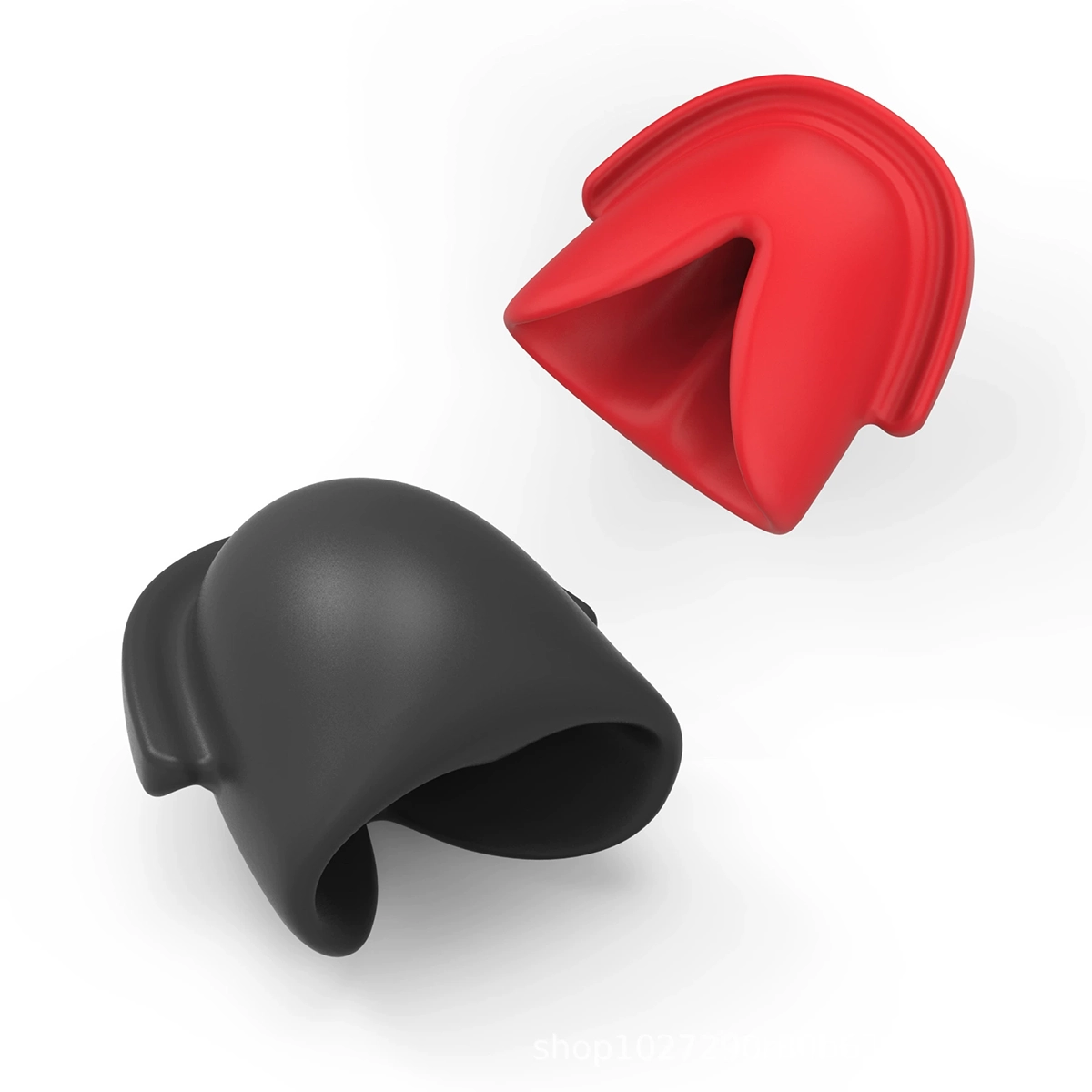
What a Tongue Gag Is (and How It Differs from a Ball Gag)
A ball gag puts a sphere between your teeth. The ball fills the mouth, and speech becomes muffled because the tongue has little room to move. A tongue gag works the other way: there is usually no ball to bite down on. Instead a flat or shaped piece presses down on the tongue itself. Speech changes because the tongue is held still, and the mouth may stay open depending on the style.
That difference is about design, not about one being inherently safer. Both styles limit clear speech, and both need the same care around breathing and signals. What changes is the feel and how open the jaw sits. If you are comparing the two, our ball gag size guide explains how ball diameter changes the fit.
Common Types of Tongue-Control Gags
Tongue-control gags come in several designs. The main differences are the shape of the tongue piece, the material, and how firmly it holds the tongue in place.
| Style | What it is | Feel and fit | A possible fit for |
|---|---|---|---|
| Flat PVC depressor | A thin, flat tongue-shaped piece held by a strap | Low-profile, less bulky in the mouth, keeps the tongue pressed down | People who prefer a low-profile, less bulky design |
| Silicone tongue plate | A molded, non-porous plate on top of the tongue | Softer against the tongue, easier to rinse clean | People who want a gentler plate and simple cleaning |
| Metal tongue-control bar | A rigid bar or open frame that holds the tongue down | Firm, holds the mouth more open, heavier | People who want strong control and an open-mouth look |
If you are deciding between them, start with the experience and fit you want. A flat PVC depressor may be worth considering if you prefer a low-profile, less bulky design. If easy cleaning is a priority, a non-porous silicone plate is easier to clean thoroughly. If you want a firmer, more open-mouth feel, a metal bar may be the better match.
How a Tongue Gag Fits (and How to Put One On)
Most tongue gags use a strap that runs behind the head. The strap should be snug enough to keep the piece in place but loose enough that you can still move your jaw a little and breathe through your nose without strain. This is the same basic strap setup we walk through in our guide on putting on a ball gag.
Before wearing, check the edges of the plate or bar. Placement depends on the design, but the tongue-control piece should sit comfortably on or over the tongue without creating sharp pressure points against the teeth, gums, or roof of the mouth. If the piece forces your jaw wider than feels comfortable, it is the wrong size or the strap is too tight — loosen it or try a smaller shape rather than pushing through.
A good fit should:
- Let the tongue piece rest without sharp pressure points.
- Keep the strap secure without excessive tension.
- Leave your jaw in a position that does not cause pain.
- Not cause persistent numbness or pressure.
- Be quick to remove if it becomes uncomfortable.
To put one on:
- Check the mouthpiece for rough edges, cracks, or a damaged strap before use.
- Place the tongue piece according to the design so it sits comfortably.
- Fasten the strap so the gag stays in place without unnecessary pressure.
- Confirm the fit feels comfortable before continuing, and keep a clear way to remove it quickly.
If you are new to wearing any gag, start short: a minute or two, with a clear way to signal “stop” that does not need words (a hand drop, a held object, or a tap). For the full picture on that, see our guide on non-verbal safewords.
What It Feels Like and Who Chooses One
With a tongue gag, the tongue is held still, so speech is limited and drooling is common because the mouth does not close normally. The feeling is different from a ball gag’s fullness — some people describe it as more direct pressure on the tongue, others as more open. Neither is better overall; it comes down to which sensation you want.
People often look at tongue gags when they want mouth control without the bulk of a ball, or when they like the look of an open mouth. They are also a way to change things up if a ball gag feels too filling.
Which Tongue Gag Design Should You Choose?
Each design suits different priorities. Here is a quick way to match what matters most to you with a style:
| If you care most about… | You may want to look at… |
|---|---|
| A lower-profile, less bulky feel | A flat PVC tongue depressor |
| A softer mouthpiece and easy cleaning | A non-porous silicone tongue plate |
| A firmer, more open-mouth feel | A metal tongue-control design |
Material Matters
The piece that touches your mouth is the part to check most carefully. A non-porous material — silicone or metal — is easier to clean thoroughly and does not trap moisture the way a porous one can. If a tongue piece is made of TPE (thermoplastic elastomer), know that TPE is a separate material class from natural latex; it is not the same thing, so do not treat them as interchangeable when reading labels. For a broader look at what gags are made of, our materials guide goes into more detail.
Straps are often PU leather (polyurethane over a fabric base), which is not genuine leather. “Leather” on a strap can mean either, especially when prices differ a lot — check the listing rather than assuming. The curing method or a “food-grade” label alone does not tell you everything about a finished piece; check the manufacturer’s material specifications and care instructions instead of relying on the label.
Hygiene and Safety Notes
A gag goes in the mouth, so treat it like any personal item: clean it before first use and after every use, and keep it to one person unless you are confident in your cleaning method. If you add a gag to a scene where speech is limited, agree on a non-verbal signal ahead of time.
Breathing should stay easy through the nose. If you cannot breathe comfortably and continuously, take it off and wait until the airway is clear. Pain, numbness, or a gag reflex that will not settle are reasons to stop rather than push through.
Frequently Asked Questions
What is the difference between a tongue gag and a ball gag?
A ball gag fills the mouth with a sphere you bite down on, while a tongue gag presses a plate or bar down on the tongue with no ball. Both limit speech, but the fit and the sensation differ.
How do you put on a tongue gag?
Check the mouthpiece first, place the plate or bar on your tongue, and fasten the strap behind the head so it is snug but not tight. Confirm the piece sits comfortably on or over the tongue rather than digging into the teeth.
Can you talk with a tongue gag in?
Not clearly. The tongue is held down, so speech is muffled or impossible. Agree on a non-verbal signal before you start.
Can a tongue gag affect breathing?
Breathing should stay easy through the nose, and the gag should not block the airway. If a tongue gag sits too deep or forces your jaw open in a way that makes breathing harder, it is the wrong fit — take it off rather than pushing through.
How do you clean a tongue gag?
Clean the mouthpiece before first use and after every use with mild soap and warm water, then let it dry completely. A non-porous plate (silicone or metal) is easier to clean thoroughly than a porous one. The same routine we describe in our guide on cleaning a ball gag applies here.
What material should a tongue gag be?
A non-porous mouthpiece (silicone or metal) is easier to clean thoroughly. Check whether “leather” straps mean genuine leather or PU leather, and confirm the mouthpiece material on the listing.
Is a tongue gag right for a beginner?
It can be, if you start short and use a clear non-verbal signal. For a first experience, some people prefer a lower-profile or softer design, while others like the firmer feel of a rigid one — the right choice depends on fit, material, and the sensation you want.
Looking for a Tongue-Control Gag?
If you are comparing tongue-control gags, start with four things: the mouthpiece material, the tongue-piece design, how the strap adjusts, and how the whole piece fits. SixFoxy focuses specifically on mouth gags, so you can compare different designs by fit, material, and experience rather than choosing only by appearance. Explore tongue-control gags in the full gag collection to compare tongue, ball, and ring designs side by side.